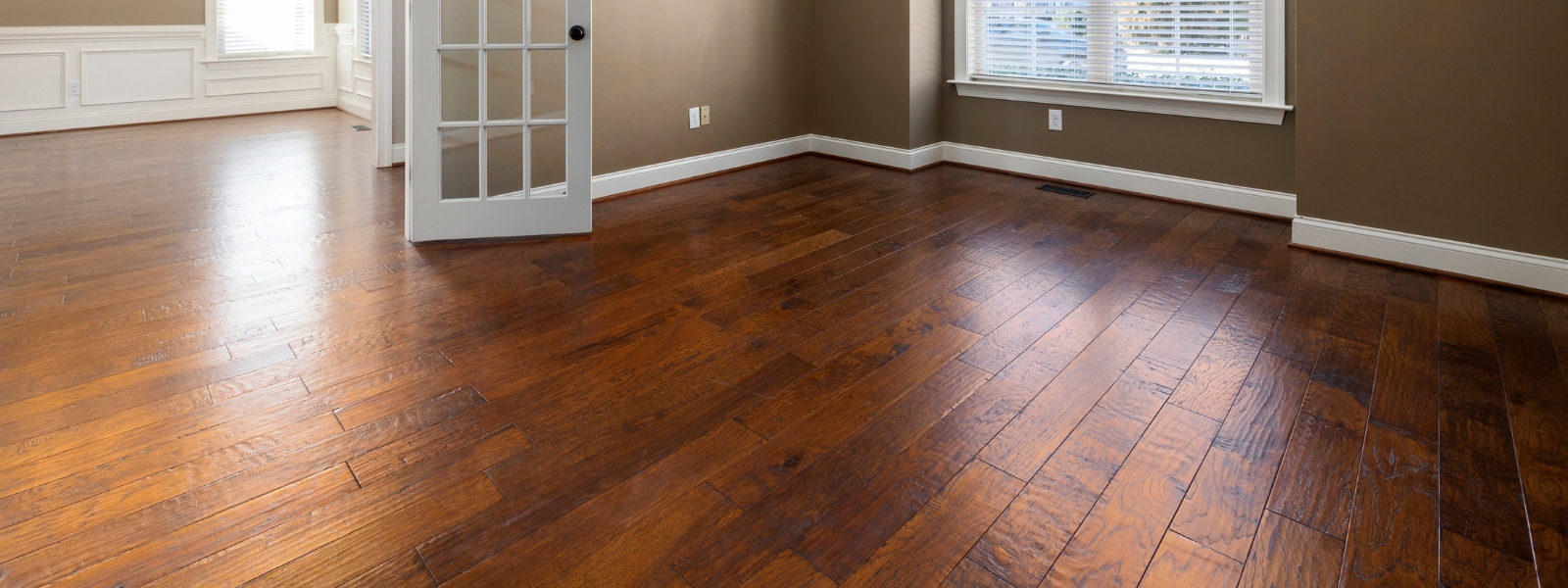
Should You Paint Before or After Installing New Flooring?
When a room needs both fresh paint and new flooring, homeowners often assume there must be one correct order for every project.
There is not.
In many remodels, the walls and ceiling are prepared and painted before the finished flooring is installed. This reduces the risk of dripping paint, primer, texture, or drywall compound onto the new floor.
However, baseboards, trim, final wall touch-ups, and certain flooring projects may be completed after the floor is installed. Hardwood refinishing, major drywall repairs, cabinet work, and other construction can also change the ideal sequence.
California Home Renew provides interior painting, flooring installation, and remodeling services in Modesto and communities throughout Stanislaus County and San Joaquin County. This guide explains how to coordinate painting and flooring so newly completed work is protected and unnecessary duplication is avoided.
Should You Paint Before or After Installing Flooring?
In most remodeling projects, complete major wall repairs, sanding, priming, ceiling painting, and the first wall coats before installing the finished flooring. Then install the flooring, baseboards, and trim before completing caulking, nail-hole filling, and final paint touch-ups.
The exact order depends on the flooring material, whether existing trim will remain, how much wall preparation is needed, and whether other construction work is still underway.
A Practical Remodeling Order
A typical room receiving both paint and new flooring may follow this sequence:
This sequence keeps much of the dust-producing and drip-prone work away from the finished floor while allowing trim to be fitted correctly to the new floor height.
Why Painting First Often Makes Sense
Painting before flooring installation can help protect the new floor from:
Interior painting also requires preparation. Sherwin-Williams recommends properly preparing, testing, and priming surfaces when needed before applying the full coating system.
When the old floor is being removed anyway, completing messy wall preparation before the new flooring arrives may make the work easier to coordinate.
Why Flooring May Sometimes Come First
There are projects where installing or completing the floor first is more practical.
This may occur when:
One professional sequence used in some projects is to complete the wall preparation first, perform the flooring work, and then apply the final wall and trim coats after the floor is protected.
The best sequence is the one that reduces damage and repeated labor for the specific project.
Complete Major Wall Repairs Before New Flooring
Major drywall and wall preparation should generally be completed before the finished flooring is exposed.
This may include:
These activities can create substantial dust and debris.
If the new flooring must already be in place, it should be protected with a covering suitable for the flooring product and project. Do not tape protective materials directly to a finished floor unless the flooring manufacturer permits it.
Paint the Ceiling Before Installing Flooring
Ceiling painting is generally one of the earliest finish steps because it creates the greatest risk of drips and splatter.
Painting the ceiling first allows workers to:
If ceilings and walls are both being painted, the normal painting sequence is usually:
The flooring and trim plan may change when the final trim work is completed.
Should Walls Be Fully Painted Before Flooring?
Walls may be fully painted before flooring installation, but many remodels benefit from saving a final touch-up coat until after the floor and baseboards are installed.
Floor installation may create:
Applying the main wall coats first and reserving paint for final corrections can provide a cleaner finished result.
Should Baseboards Be Installed Before or After Flooring?
Baseboards are commonly installed after the new flooring so they can sit at the correct finished height and cover the perimeter gap where appropriate.
This can create a cleaner appearance than leaving the old baseboards in place and adding quarter-round molding.
However, the best approach depends on:
Floating floors require perimeter expansion space. Baseboards and molding must not be fastened through the flooring in a way that prevents natural movement. Shaw’s installation guidance states that wall base and quarter-round should be attached to the wall rather than secured to the floating floor.
Can Existing Baseboards Stay During Flooring Installation?
Sometimes.
Existing baseboards may remain when:
They may need to be removed when:
Removing baseboards can cause wall damage that must be patched and painted.
That repair should be included in the remodeling sequence.
Should Baseboards Be Painted Before Installation?
Baseboards may receive primer and an initial coat before installation. This can reduce the amount of detailed painting required near the finished flooring.
After installation, the trim will generally still require:
Prepainting alone rarely eliminates all finish work after installation.
Paint or Flooring First When Installing LVP?
For luxury vinyl plank, a practical sequence is often:
The flooring manufacturer’s installation requirements should be followed, including instructions related to acclimation, subfloor flatness, underlayment, expansion space, and transitions. Shaw’s vinyl installation resources emphasize surface preparation and product-specific installation instructions.
Paint or Flooring First When Installing Laminate?
Laminate generally follows a sequence similar to LVP.
Complete the dustiest wall preparation and primary painting before installation. Then install the flooring, molding, and final trim paint.
Important laminate considerations include:
Manufacturer instructions determine whether acclimation is required and how the material should be stored before installation.
Paint or Flooring First When Installing Tile?
For tile flooring, complete major drywall preparation and primary painting first whenever practical.
Then:
Tile installation can create dust during demolition, cutting, grinding, and surface preparation.
If the walls are painted first, some touch-ups may still be required after tile work.
Paint or Flooring First When Installing Carpet?
Painting before carpet installation is often practical because it reduces the chance of paint reaching the carpet.
A typical sequence may be:
Koeber’s flooring guidance similarly recommends completing wall and trim painting before new carpet in many circumstances, provided the painting work is carefully coordinated.
When new baseboards are also being installed, the contractor should coordinate baseboard height and carpet thickness.
Paint or Refinish Hardwood Floors First?
Hardwood refinishing is a major exception to a simple “paint first” rule.
Sanding hardwood creates fine dust and can mark walls or trim. Floor stain and finish also require curing time and controlled conditions.
A practical sequence may be:
In other projects, hardwood is refinished before the final wall coats because sanding equipment may mark the baseboards and lower walls.
The exact sequence depends on whether the baseboards are staying, the condition of the hardwood, and the finishing system being used. Sherwin-Williams notes that hardwood finishing requires proper sanding and surface preparation before coatings are applied.
Should Hardwood Be Installed Before Painting?
New hardwood installation may occur after major painting preparation but before final trim and touch-ups.
Factors include:
Site-finished hardwood creates more sanding and coating activity than prefinished flooring and may require a different sequence.
What About Engineered Hardwood?
Engineered hardwood may be installed as:
The correct sequence depends on the installation method and whether the product is prefinished.
For many prefinished installations:
The flooring should remain protected from paint, ladders, tools, and moisture after installation.
Should Painting Be Completed Before Kitchen Cabinets?
When cabinets, flooring, and painting are all part of a kitchen remodel, the room should be sequenced as a complete project.
A typical order may include:
Some flooring is installed before cabinets, while floating floors generally should not be trapped beneath fixed cabinetry unless the manufacturer specifically allows it.
Cabinet and flooring decisions must be coordinated before installation begins.
Can Cabinets Be Painted Before New Flooring?
Yes. Cabinet painting is often completed before flooring installation because cabinet preparation may involve:
Completing cabinet painting first may reduce the risk to the new floor.
However, final toe-kick, baseboard, and wall touch-ups may still be needed afterward.
What If the Floor Is Already New?
When the new flooring is already installed, painting can still be completed safely with proper protection.
The contractor should consider:
Avoid assuming that any tape or plastic sheeting is safe for every flooring product.
Some adhesives can mark or damage floor finishes, especially when left in place too long.
Protecting New Floors During Painting
Floor protection may include:
Protection should be:
Plastic alone may become slippery and can trap moisture.
Paper can tear or allow liquid to soak through.
The selected protection should fit the flooring type and work being performed.
Why Final Touch-Ups Should Be Expected
Even with good planning, remodeling involves several trades working in the same area.
Minor touch-ups may be required after:
The estimate should identify whether final wall and trim touch-ups are included.
What If the Walls Need Texture?
Wall texture should generally be completed before new flooring.
Texture work can create:
A typical order is:
Matching an existing wall texture can require a larger working area than the visible repair.
What If Wallpaper Must Be Removed?
Wallpaper removal should occur before finished flooring installation whenever possible.
Wallpaper removal may involve:
These processes can create moisture and debris that should not be introduced over a newly installed floor.
What If the Subfloor Needs Repair?
Subfloor repairs may involve demolition, cutting, fastening, leveling compounds, grinding, adhesives, and heavy tools.
For that reason, wall preparation may be completed first, but the final painting should often wait until the subfloor and flooring work are finished.
Unexpected subfloor repairs can also damage lower walls or baseboards.
What If Interior Doors Need to Be Adjusted?
New flooring may change the finished floor height.
Doors may need to be:
Door and casing work should be coordinated after the final floor height is known.
Painting a door before trimming may result in additional finish work along the new cut edge.
What If Stairs Are Included?
Stairs require special sequencing because flooring, trim, railings, risers, treads, stain, and paint may overlap.
A stair project may include:
The order depends on which parts are painted, stained, installed, or refinished.
Stairs should be treated as their own coordinated project rather than an extension of a basic flooring installation.
Can Painting and Flooring Happen at the Same Time?
Sometimes, work can occur simultaneously in different rooms.
This may be practical when:
It may not be practical when:
Coordination can shorten the total project timeline, but overcrowding the site may reduce efficiency.
The Best Order for an Occupied Home
When homeowners remain in the property, the project may need to be completed in phases.
A phased plan might include:
This approach may take longer than clearing the entire home, but it can allow portions of the property to remain usable.
Pet access, children, work-from-home needs, and temporary pathways should be considered.
What Affects the Painting and Flooring Timeline?
Schedule factors may include:
A one-room project may be completed relatively quickly. A whole-home flooring and painting project requires more sequencing, material movement, and household planning.
Questions to Ask Your Remodeling Contractor
Before work begins, ask:
The answer should reflect the complete project—not a generic rule.
What California Home Renew Evaluates Before Sequencing the Work
An in-home evaluation may include:
This information helps determine the most efficient order while protecting newly completed work.
Painting and Flooring Services in Modesto
California Home Renew provides interior painting, flooring installation, and broader remodeling services in Modesto and communities throughout Stanislaus County and San Joaquin County.
Service-area communities include:
Coordinating painting and flooring through one remodeling plan can reduce confusion about preparation, trim, transitions, protection, and final touch-ups.
Frequently Asked Questions About Painting and Flooring Order
Is it better to paint before installing vinyl plank flooring?
In many projects, yes. Complete major wall preparation, ceiling painting, and primary wall coats first. Install the vinyl flooring and baseboards next, followed by trim painting and final wall touch-ups.
Should you paint before installing carpet?
Usually. Painting before carpet reduces the risk of drips and splatter. Minor touch-ups may still be needed after installation.
Should you paint before installing tile?
Complete major painting preparation first, but expect touch-ups after tile cutting, setting, grouting, and baseboard installation.
Should hardwood floors be refinished before painting?
The sequence varies. Major wall repairs should come first, while the final wall and trim coats may be completed after sanding and refinishing. The floor must be fully cured and properly protected.
Do baseboards go in before or after flooring?
Baseboards are commonly installed after the flooring, especially when the trim is being replaced. Existing baseboards may remain when the flooring plan and finished height allow.
Can baseboards be painted before installation?
They can be primed and initially painted first, but nail holes, caulk, joints, and final touch-ups are usually completed after installation.
Will flooring installers damage freshly painted walls?
Minor marks can occur while carrying materials, fitting planks, removing old flooring, or installing trim. Plan for final touch-ups.
Can a floating floor be installed beneath cabinets?
Fixed cabinets generally should not trap a floating floor unless the flooring manufacturer specifically permits that installation. Cabinet and flooring requirements should be coordinated.
How long should paint dry before flooring installation?
Follow the paint manufacturer’s drying and curing instructions. Dry-to-the-touch time is not always the same as full cure time.
Can California Home Renew coordinate painting and flooring?
Yes. California Home Renew provides both interior painting and flooring installation and can plan the work as part of a coordinated remodeling project.
The Best Sequence Protects Both Finishes
For many projects, the most practical sequence is:
The order may change for hardwood refinishing, carpet, cabinets, stairs, extensive subfloor repair, or occupied-home phasing.
California Home Renew can evaluate the complete project and coordinate painting, flooring, trim, and related remodeling work in an order designed to reduce damage and repeated labor.
Call California Home Renew at (209) 241-6682 or contact the company online to schedule a painting and flooring consultation in Modesto, Stanislaus County, or San Joaquin County.